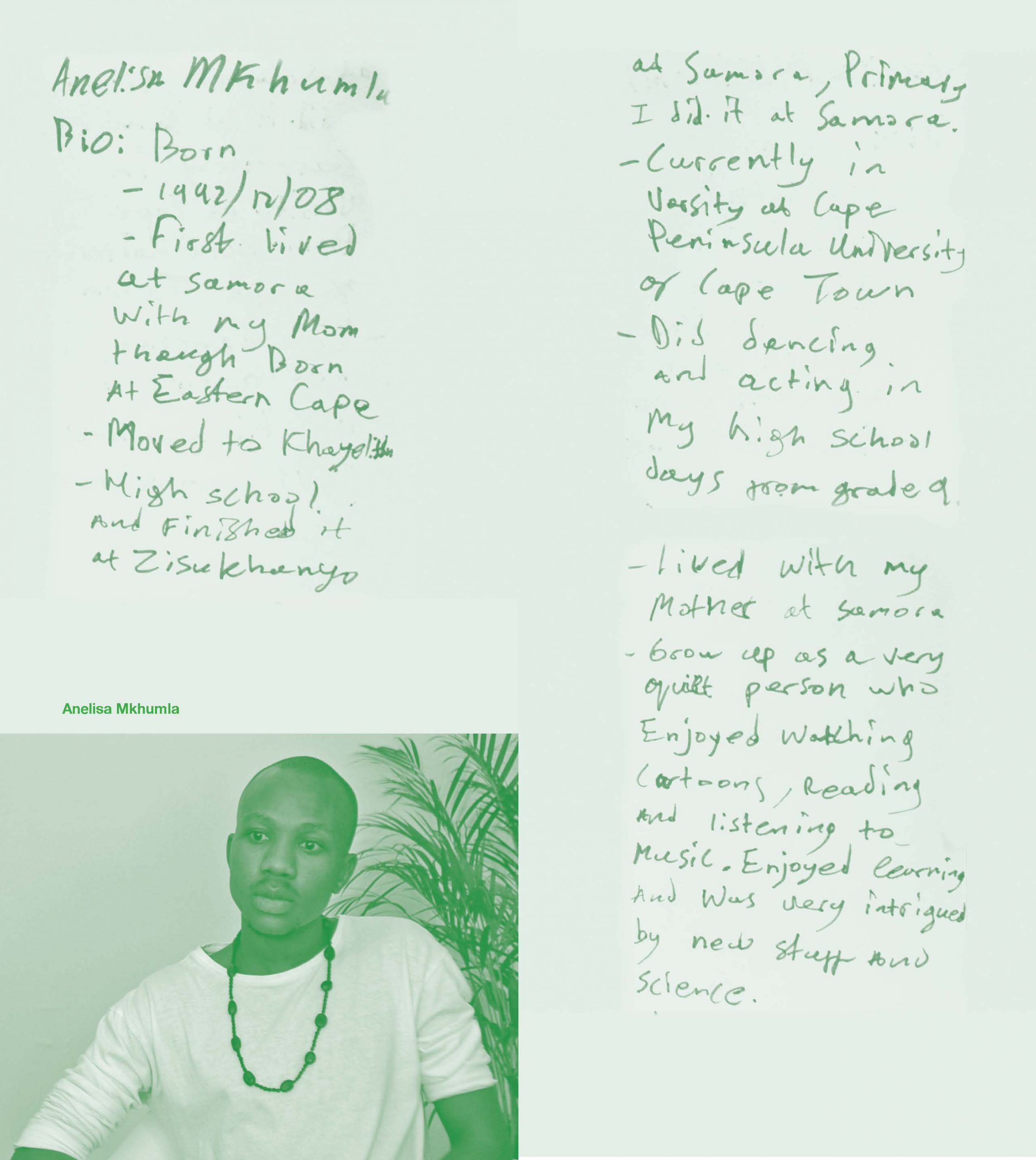
The project FFH took place in 2016 in Cape Town. By embarking on a consultative research approach to include the community members in the realisation of this place making process, our intention was to place primacy on the opinions and ideas that are generated by the locals who will also be entrusted with the realisation and maintenance of the artwork at a future time should they be realised as hoped.
The lack of cultural infrastructure and lacklustre public image of the township bring with them social challenged targeted to ensure poverty alleviation and gender equity that specifically tackle the issues of a low skills base stemming from lack of adequate or appropriate information within the population falling below the age of 34 in this context. With this realization in mind the concept of what public art should be outside of the city bowl and by whom it should be created is not easily answered by artistic solutions alone.
One of the indicators we hoped to gauge with the project is the effectiveness, engagement, and awareness of different forms of arts and culture objects an activities, and the amount of time that our selection of young people devote to these. What we were able to learn is that there overstimulation in the outside environment in Khayelitsha is deemed to be at its height and to add to it is not the first thing the participants would encourage. Instead there is a desire and a need for contemplative and open spaces to withdraw from the stacked living conditions and noise, in order to have time for ones self outside of the house. In this of course we all identified a dilemma as to how does one bring in public art in a way that both disrupts the space and is functional in an environment were space is very limited. What we learned is the lack of action to affect ones immediate environment in Khayelitsha is not due to a lack of interest but to a lack of power and control, where one does not feel that they have the power to change anything where they and also not having a choice about where they live. This leads to a desire to leave Khayelitsha, and this desire makes difficult for them to imagine the future of Khayelitsha as they do not see themselves living in this space longer than is necessary.
We were not able to recruit the desired number of persons as the group of volunteers for the first day failed to show up and so we lost a day of shooting. The following days went as planned but also with a number of volunteers not showing up at the last minute. It is difficult to gauge the motivation for the volunteers and to predict whether they would show up for the project. We also had to adjust our age parameters as our targeted 18-23 found it very difficult to articulated themselves and we did not want to have coached responses.
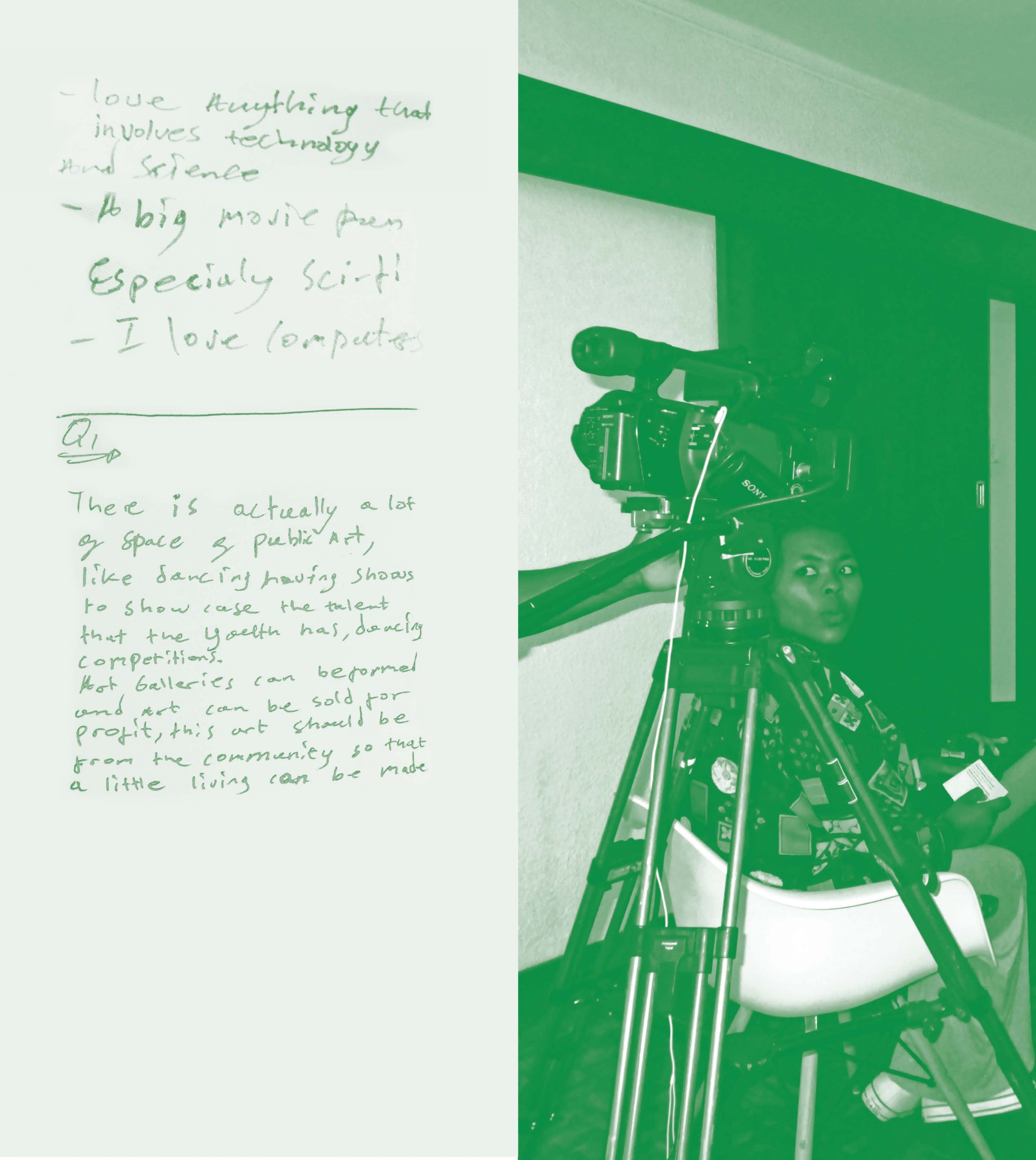
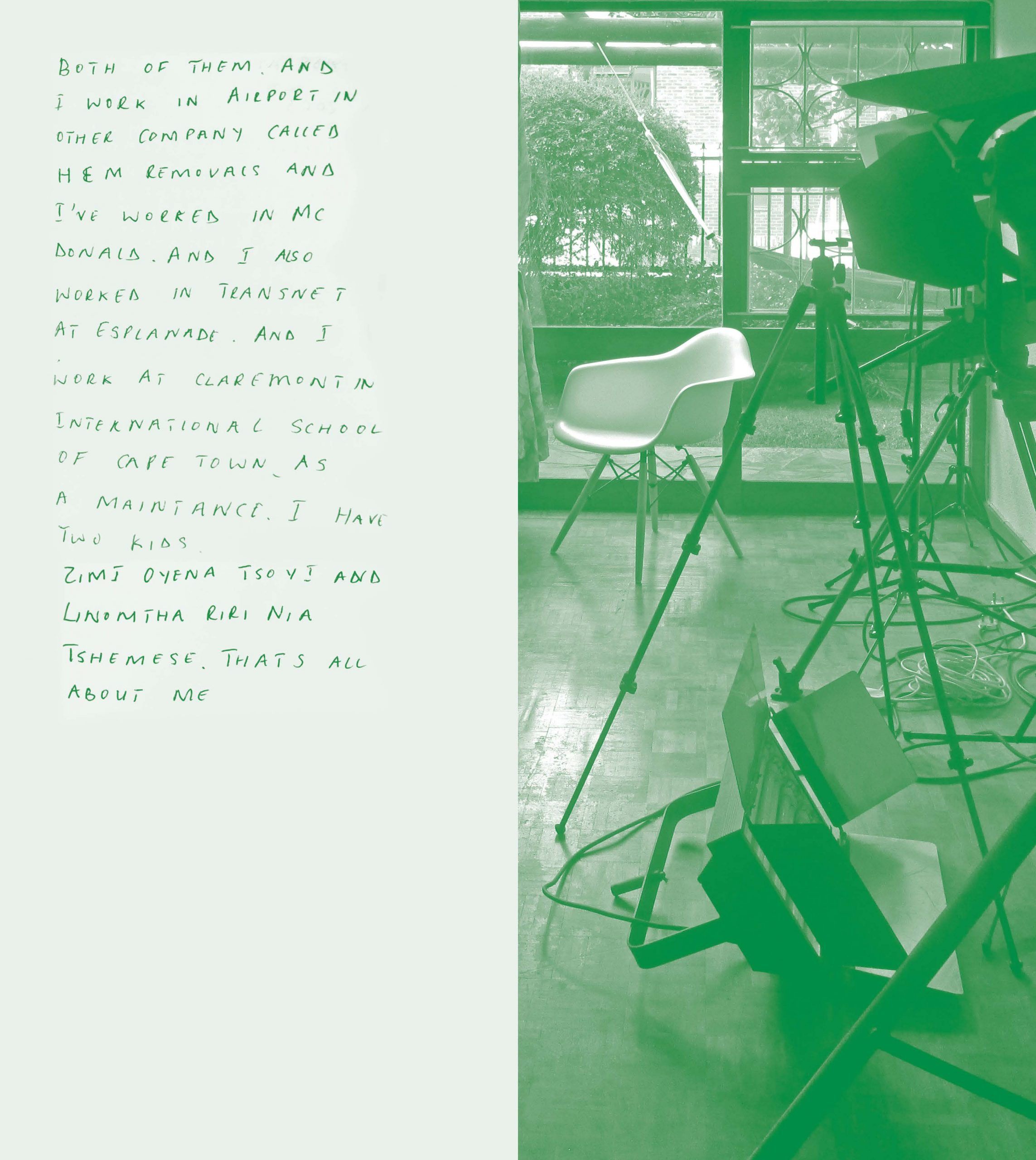
As a result 15 Interviews were conducted over the course of 2 days. The sessions began with icebreaker exercises for the participants to get to know each other and to encourage a non-judgemental environment. Followed by an introduction to videography. The introduction served to make the participants comfortable around the equipment and to get them involved in the various parts of shooting the interviews. In the process of the workshop the participants developed an interest in film making processes both in front of and behind the camera.
The immediate impact on our participants is that they were able to meet other like minded youth with who as the anticipated growth of the project progress they will have the chance to engage and work with in the realization of their projects. The introduction to filmmaking at the start of each session was designed to first make the participants familiar with the equipment, use the exposure to decide if media is an arena that might interest them, and to encourage them to be part of the process.