Recognisably, there can be no radical transformation of the social structure without the transformation of identity and with that, the self-creation of a new kind of human being. The proposal is out there to define a new geological epoch, the ‘anthropocene’, that is driven by unprecedented and radical change in humanity’s’ relationship with the rest of the earth system. There is no more nature that stands apart from human beings; human activity now shapes the ‘natural’ world at every point.
As a political, ethical and aesthetic question, the anthropocene is being touted as the answer to the “questions about what life is worth, what people owe one another and what in the world is awesome or beautiful enough to preserve or recreate”. It is a response to “the end of nature and history” after the incremental spread of human influence over the landscape where the contrast between people and the natural world no longer holds.
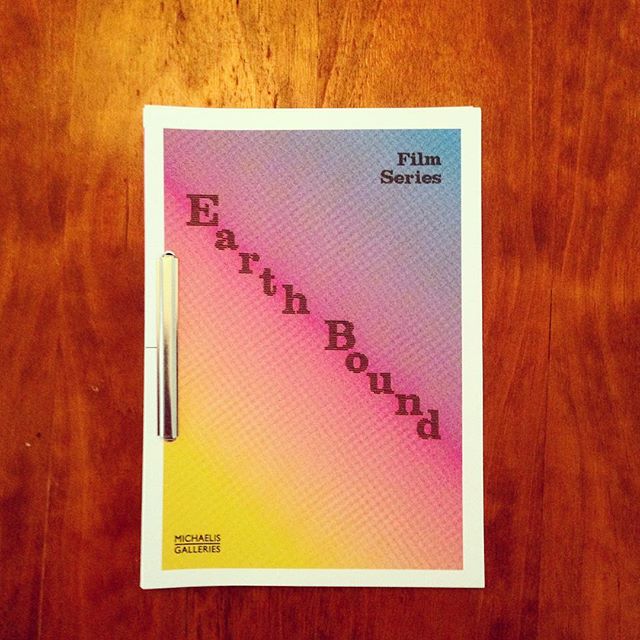
The Michaelis Galleries present, through a series of film installations, performance, exhibition, and screenings; a high stakes mix of works that explore the boundaries of the human/human/ nature relationships. In order to reframe the mediated relationships between human and the nonhuman, as a site of ethical disturbance and critique vital and aesthetic questions in a manner that brings ethical relatedness to the fore through; the series demands engagement with ontological questions of being and teleological questions of where humanity should be going in our relationship to the planet and consider the contemporary situation as we ourselves are involved in it. In presenting various possibilities and perspective the series avoids over identification with any strict ‘moralism’ and initiates exploration beyond the tired liberal mores of political correctness, pity and empathy.
As the first iteration in an explorative proposal that scans the possibilities of our earth “boundedness” the film series raises questions of our modes of existence by returning us to our past, current and future modes of being these include to allusions to humanization, liberation and freedom. The desire for a clean slate, to colonise space in order to escape from the earth we have made and to start over ‘elsewhere’, is a collective fantasy that is positioned to deal with the artificial boundaries that we encounter in our psychological and physical human interactions, and our even more increasingly estranged connection to nature and animals. Thematically, the ambiguity and complexity, of the human condition is explored through a concern with the ugly, the grotesque, the brutal, and the absurd to reveal some artistic recognition and reactions the indicators of a society in epochal change.
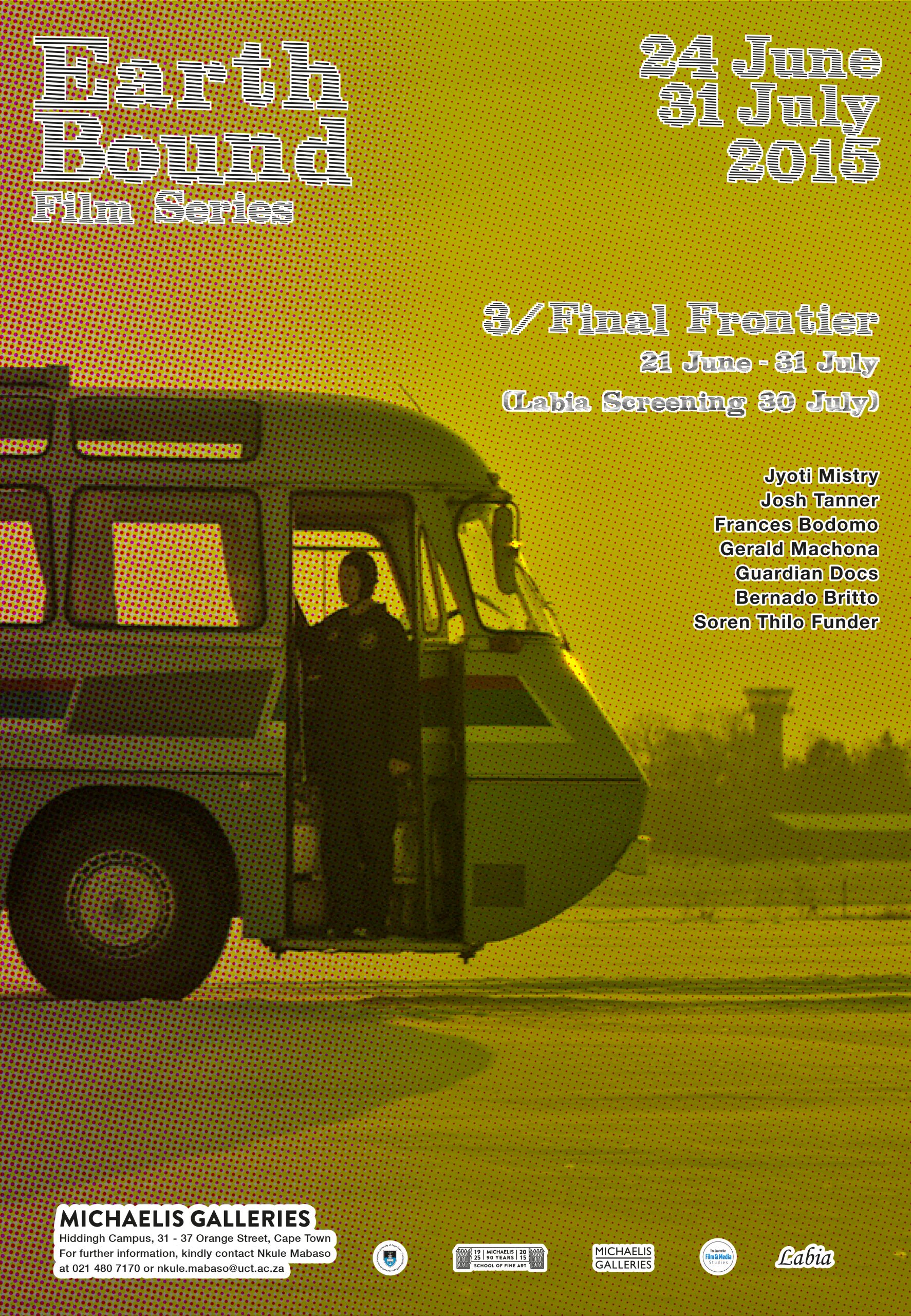
The series will be presented in a three-part programme between 24th June 21 July of 2015. The first part, titled
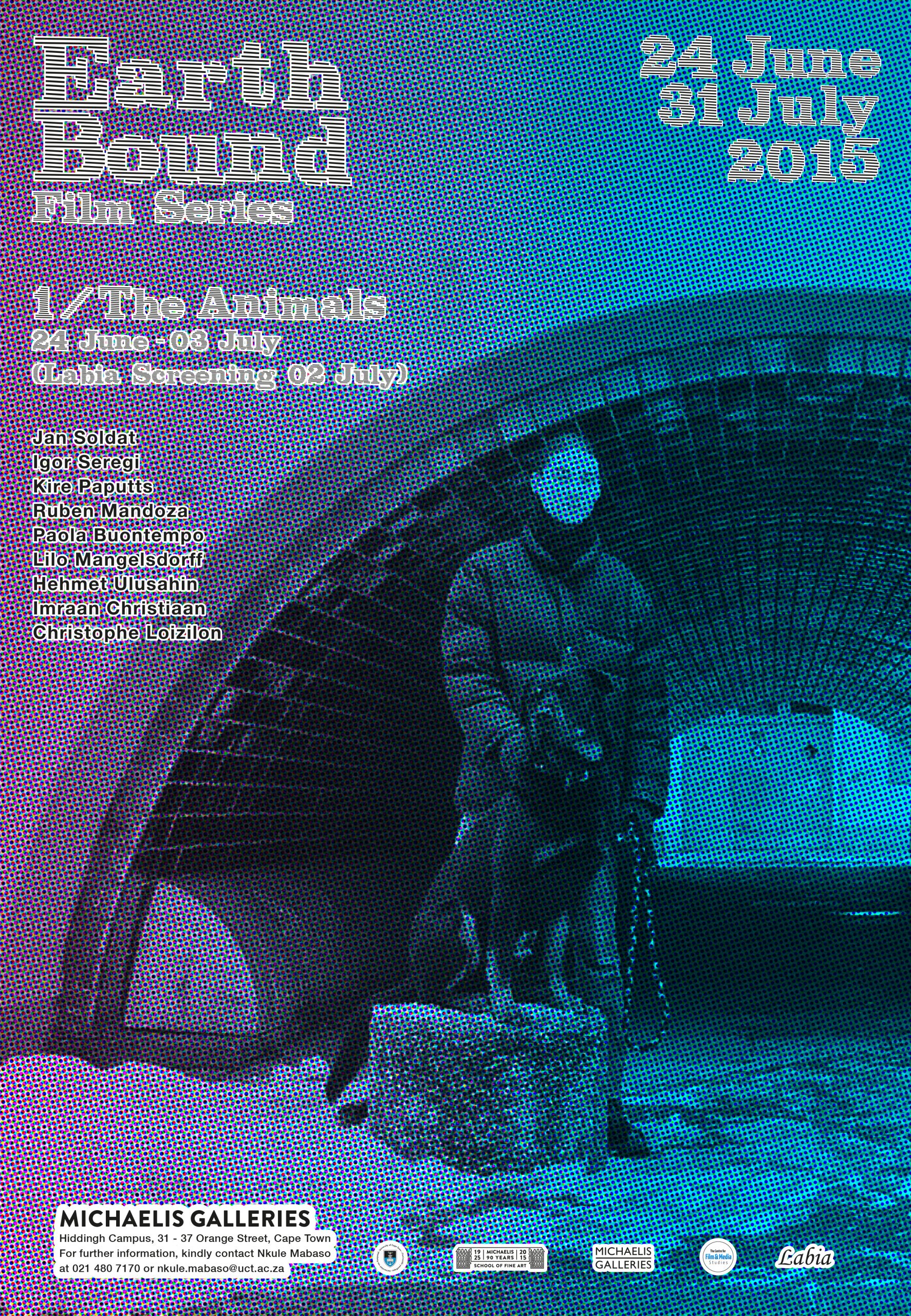
‘The Animals’
The question of the animal is not whether it can think or speak but whether it can suffer. The contemplation of this question for Derrida, and the question of being-with animals is not just hypothetical, given the fate of “the animal” since the beginnings of modernity. By elaborating on how animals and animal energy have given way to new “techniques of intervention into their object,” that is, the living animal— by means of regimentation and farming, genetic experimentation, industrialization of the production for consumption of animal meat, artificial insemination on a massive scale, more and more audacious manipulations of the genome, reduction of the animal not only to production and overactive reproduction (hormones, genetic crossbreeding, cloning, etc.) of meat for consumption, but also all sorts of other end products—he attests that the subjection of animals “can be called violence in the most morally neutral sense of the term”.
Jacques Derrida has more than once reflected, with exuberant eloquence, on the strangeness of borders. When you cross that infinitesimally narrow line, suddenly the valences reverse.
What would it be for man and animal to encounter one another on the hither side of speech, as if before the naming of the animal and all that this has implied in terms of the long-sanctioned, unquestioned subjection of animals to human authority and control? The algological silence of the animal is for us inaccessible however real and near each is a silence saturated with unspeakable pathos. The series also by implication raises the questions on the interrelatedness of humans and why so much primacy appears to be placed on the suffering of the animal and not so much of the violence’s visited upon other “bodies” and the exchangeability of the ‘other’ body for that on the ‘animal’ as evidenced in historical racialised justifications of imperialist superiority.
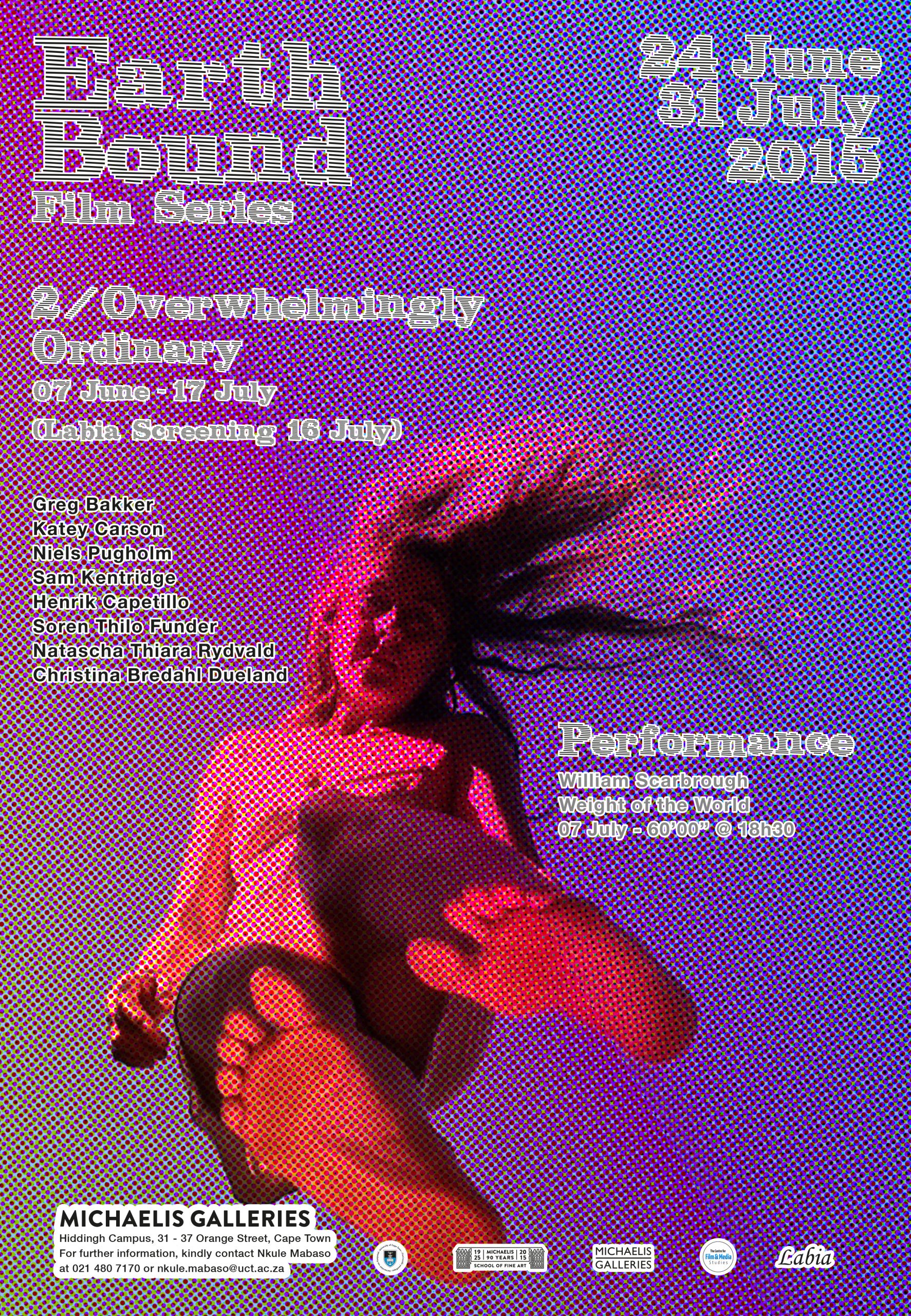
‘Overwhelmingly Ordinary’
The video works chosen as part of this series on the one hand show the camera as a potential tool of psychological insight and on the other hand the works presented here break down notions of objectivity and the separation between the documentary and the fictitious. Without withdrawing into empty aestheticism, the films present anguished configurations of the alienation and consist forms of anxiety that appear to be in spheres beyond individual control. We are made to feel that Life for all the significance we weave into it; is futile. The interchange of this futility is captured in this selection of works that delves into the context and framework of the ‘inner’ life and mind of the individual. The films engage our own conscious and we are drawn to reflect on our collective cracks left by repressed desire, unfulfilled human potential. The films do not offer an escape, but lodge one fully into a communal neurosis. Through these films ordinary moments gain their poignancy and some internalized dialogues are projected back to us, the viewers. They capture a desire to preserve the fleeting minutes that make up our lives; to slow down time in some part.
The addition of South African films to the programme give a different reading to the experience of the films, which in this iteration, cannot escape being drawn into the contextual body politic that is at play in South Africa. Suddenly it is not simply about the expression of the mundane but who can experience an ordinary life what and how “ordinary” is expressed. Oppressive practices ingrained in the spatial experience the fabric of every day life, make it even extraordinary for a black person to live a mundane life become unreflective and steeped in everyday life interrogate a false universalism. The films in this set ask for self-examination of how individual lived experiences, co-constituted by the relationships, encounters, and engagements, affect other living persons, and the environing world.